Protect Recycling Operators from Toxic Dust, Gases & Biological Hazards

Recycling environments expose operators to silica, asbestos, spores and hazardous vapors, often without visible warning.
 BMair protective ventilation systems create certified cabin overpressure and continuous monitoring for safe, compliant operation.

Not sure which system fits your recycling operation?

Hazardous substances in recycling

Asbestos & Silica

Fine respirable particles that cause irreversible lung disease and cancer.

Crushing concrete, processing demolition waste and handling contaminated construction materials release respirable crystalline silica and asbestos fibers into the air. These particles are microscopic, remain airborne for extended periods and easily penetrate deep into the lungs. Repeated exposure significantly increases the risk of silicosis, chronic obstructive pulmonary disease (COPD), lung cancer and mesothelioma.

Machine cabins are not airtight environments. Contaminated air enters through ventilation systems, door seals and structural micro-leaks. Without certified HEPA H13 filtration combined with controlled cabin overpressure, operators remain continuously exposed throughout the workday.

Biological Agents

Airborne spores and bacteria that cause respiratory and skin disorders.

Recycling and organic waste operations frequently generate airborne biological contaminants, including bacterial spores, fungal fragments, endotoxins and organic bioaerosols. Composting facilities and mixed-waste processing sites present particularly high concentrations due to decomposition and material agitation.

These respirable particles can trigger chronic respiratory inflammation, hypersensitivity pneumonitis, allergic reactions and long-term lung irritation. Skin infections and fatigue-related symptoms are also commonly reported in biologically contaminated environments.

Because biological agents are invisible and concentration levels fluctuate throughout the day, operators are often unaware of exposure. Effective protection requires high-efficiency particulate filtration combined with sealed and continuously monitored cabin overpressure.

Toxic Vapors

Harmful gases and vapours released from contaminated waste streams.

Modern recycling facilities increasingly process mixed material streams containing chemical residues, treated wood, heavy metals, contaminated packaging and industrial by-products. Mechanical shredding, compaction and sorting release both fine particulate matter and hazardous gases into the surrounding air.

Depending on the waste stream, exposure may include volatile organic compounds (VOCs), ammonia, diesel particulates, polycyclic aromatic hydrocarbons (PAHs) and solvent vapours. Short-term exposure can cause dizziness, headaches, airway irritation and reduced concentration, while long-term exposure increases the risk of neurological damage, organ toxicity and occupational disease.

Because the composition of mixed waste is unpredictable, protection cannot rely on particle filtration alone. Effective mitigation requires a combination of HEPA H13 filtration, application-specific activated carbon modules and measurable cabin overpressure to prevent uncontrolled air ingress.

Machine cabins are not sealed environments.


Contaminated air enters through ventilation systems, structural openings and pressure imbalance.

Protection must be active, measurable and application-specific.

How BMair protects recycling operations

Step 1

High-Efficiency Filtration

BMair systems filter incoming air using HEPA H13 particle filtration combined with application-specific activated carbon modules. Fine dust, biological particles and hazardous gases are removed before air reaches the operator.

Step 2

Controlled Cabin Overpressure

Clean air is delivered into the cabin under controlled pressure.
This positive pressure prevents contaminated outside air from entering through leaks, door seals and ventilation gaps.

Step 3

Continuous Monitoring & Compliance

BMair Connect continuously monitors cabin overpressure, filter lifetime and system performance. All data is logged via the BMair Connect Portal, supporting compliance and audit readiness across your fleet.

Impact at every level of your operation

Cabin protection improves operator wellbeing and fleet performance simultaneously.

Operator Impact

Reduced Respiratory Exposure

Minimizes inhalation of hazardous dust, biological agents and toxic vapors.

Stable Cabin Air Quality

Maintains consistent airflow and overpressure during long shifts.

Lower Long-Term Health Risk

Reduces cumulative exposure in high-risk recycling environments.

Cleaner Cabin Interior

Prevents visible dust accumulation and airborne contaminant entry.

Fleet & Business Impact

Audit-Ready Compliance

Continuous logging of cabin overpressure and filter performance supports regulatory inspections.

Reduced Liability Exposure

Reduces risk of occupational health claims and regulatory penalties.

Increased Machine Uptime

Optimized airflow and monitored filters prevent unexpected shutdowns.

Lower HVAC Contamination

Controlled airflow prevents dust accumulation within internal cabin systems.

Which BMair System Fits Your Recycling Application?

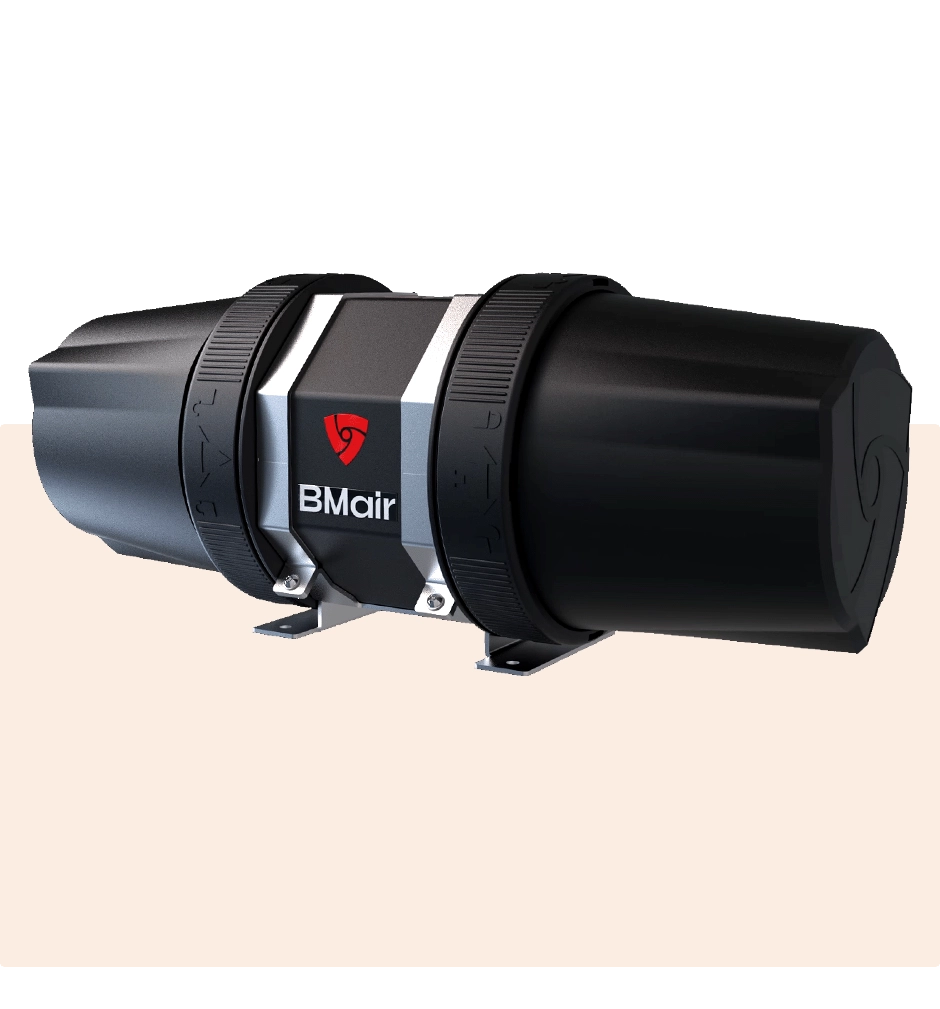
BMair Protector

Best for: Heavy dust recycling (no gas exposure)

• Engineered for continuous operation in high-dust recycling processes
• Maintains stable cabin overpressure under heavy dust load
• Modular base system adaptable to multiple machine types
• Optimized specifically for high-intensity particulate exposure

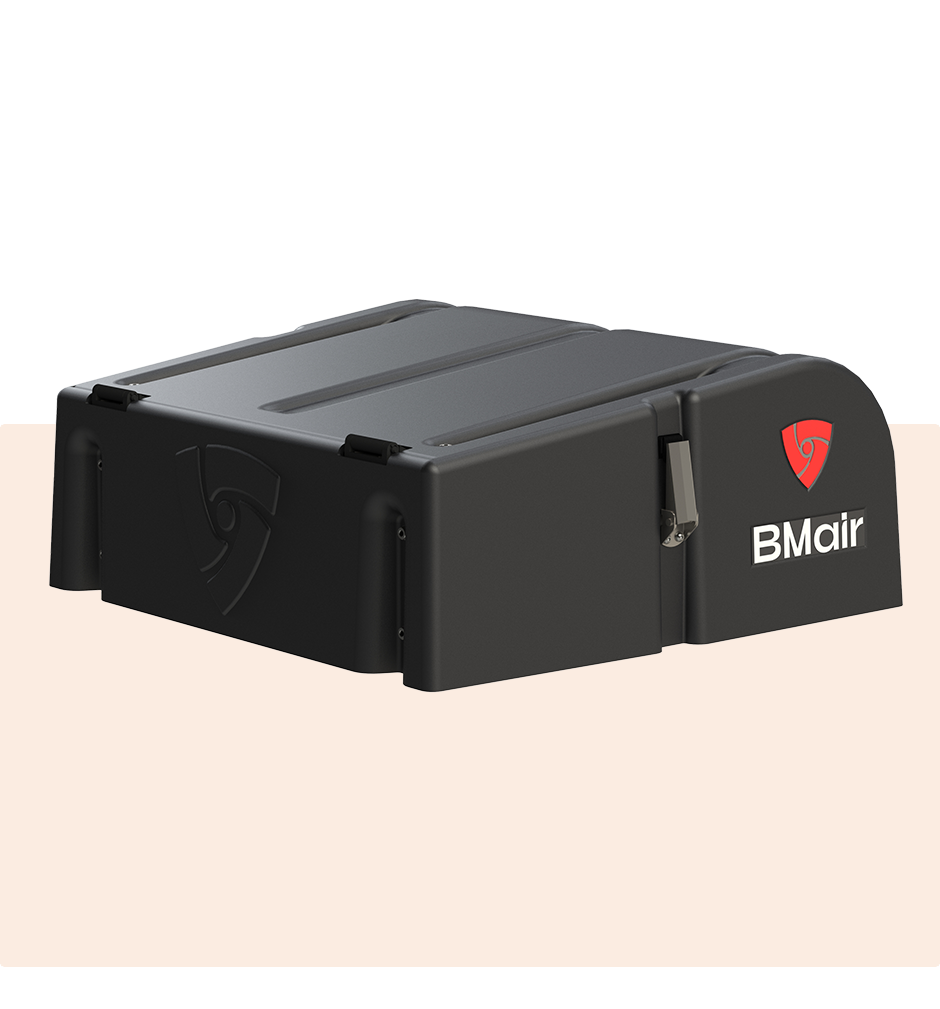
Protector Plus X

Best for: Recycling environments with dust and gas exposure

• Combines HEPA filtration with powerful activated carbon modules
• Built for mixed waste streams and composting environments with gas exposure
• Designed for smaller machines, roof- or back-mounted configurations
• Handles complex contamination profiles

MAO3CabCuard_Systems_BMair

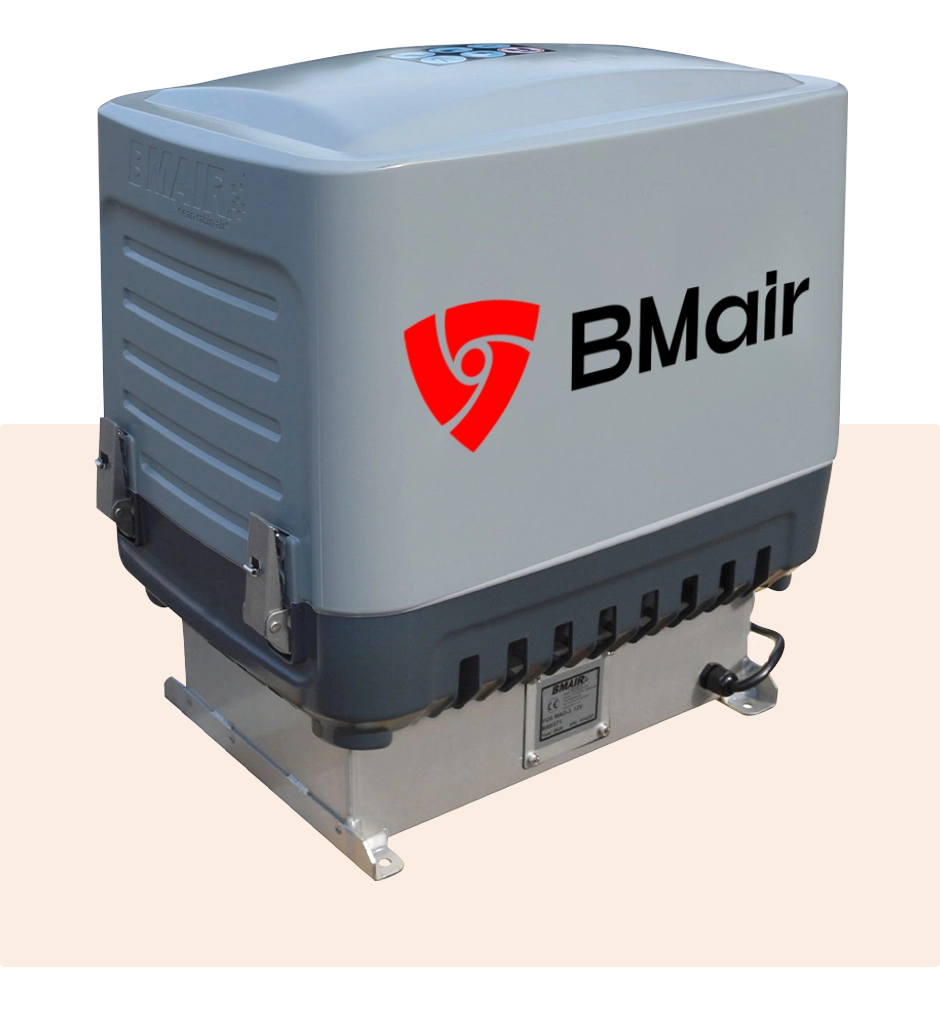
MAO-3C

Best for: Compact machines and variable contamination

• Protects against both fine particles and toxic vapors
• Made for large machines
• Compact footprint for fender/deck installation
• Self-cleaning HEPA filter design reduces clogging in high-dust environments

Designed for Minimal Downtime Across All Systems

Tool-free filter replacement minimizes service time.

Automatic RFID recognition eliminates filter registration errors.

Maintenance alerts via BMair Connect enable proactive planning.

Proven Protection for Recycling Fleets Across Europe

Designed for compliance. Built for real-world conditions.

Ready to Secure Cabin Air Safety Across Your Fleet?

Our technical team will recommend the right system and filter configuration based on your machine type and recycling environment.

TOP