Demolition sites often involve diesel-powered machinery, cutting equipment, fire-damaged structures and contaminated materials. These activities release soot particles, polycyclic aromatic hydrocarbons and volatile organic compounds into the surrounding air.
Fine combustion particles can penetrate deep into the respiratory system, while certain vapors may cause irritation, dizziness and reduced concentration during short-term exposure. In enclosed cabin environments, these contaminants can accumulate if not properly filtered.
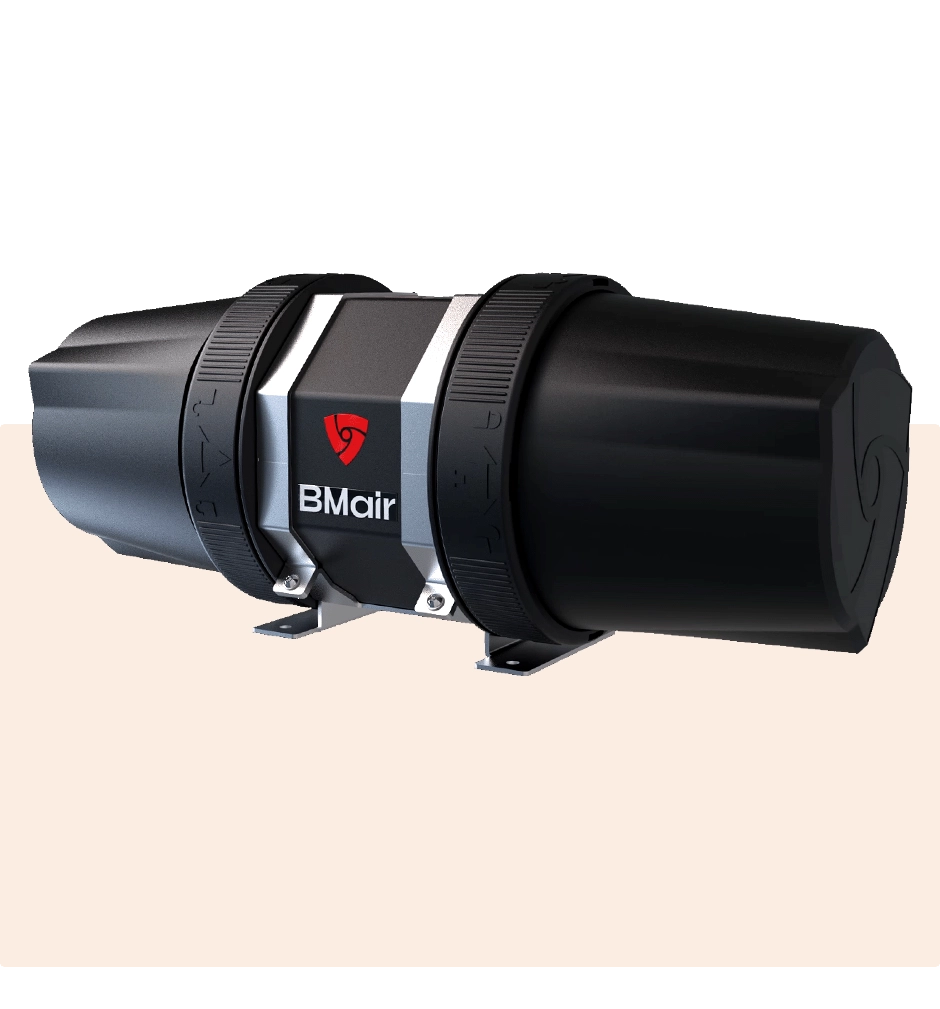
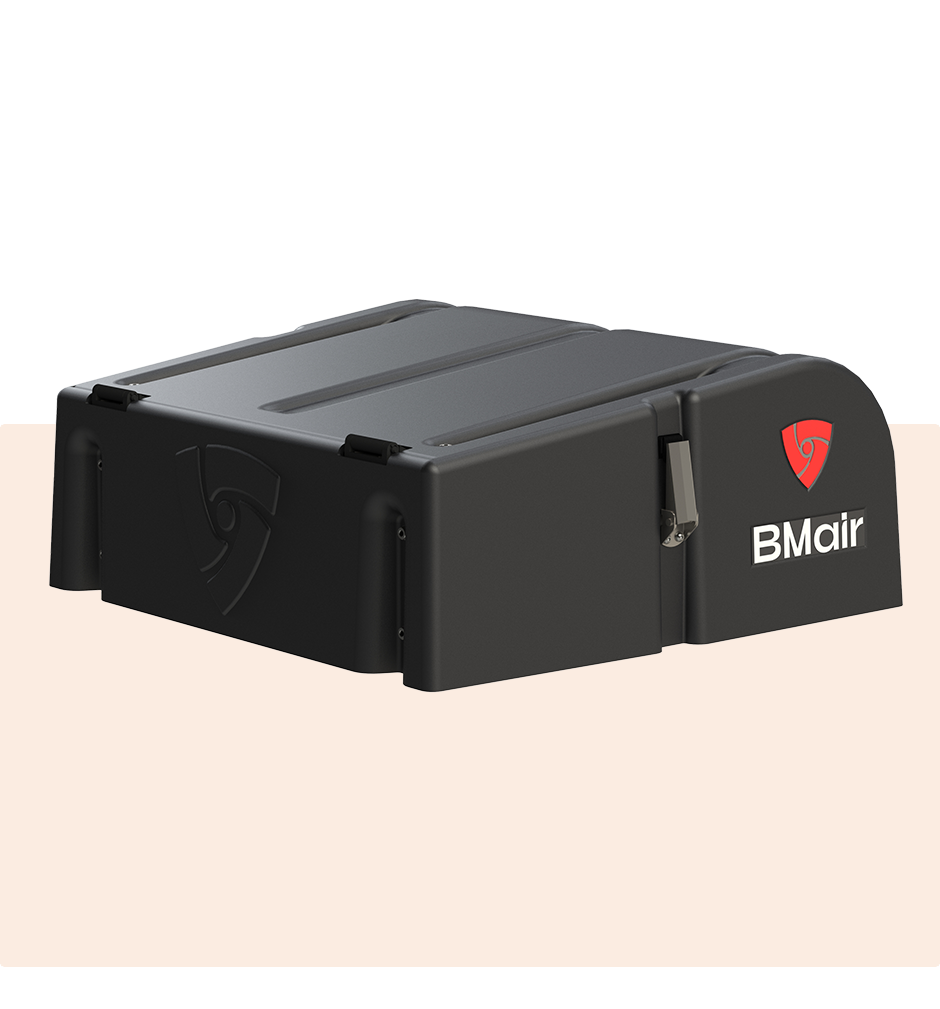
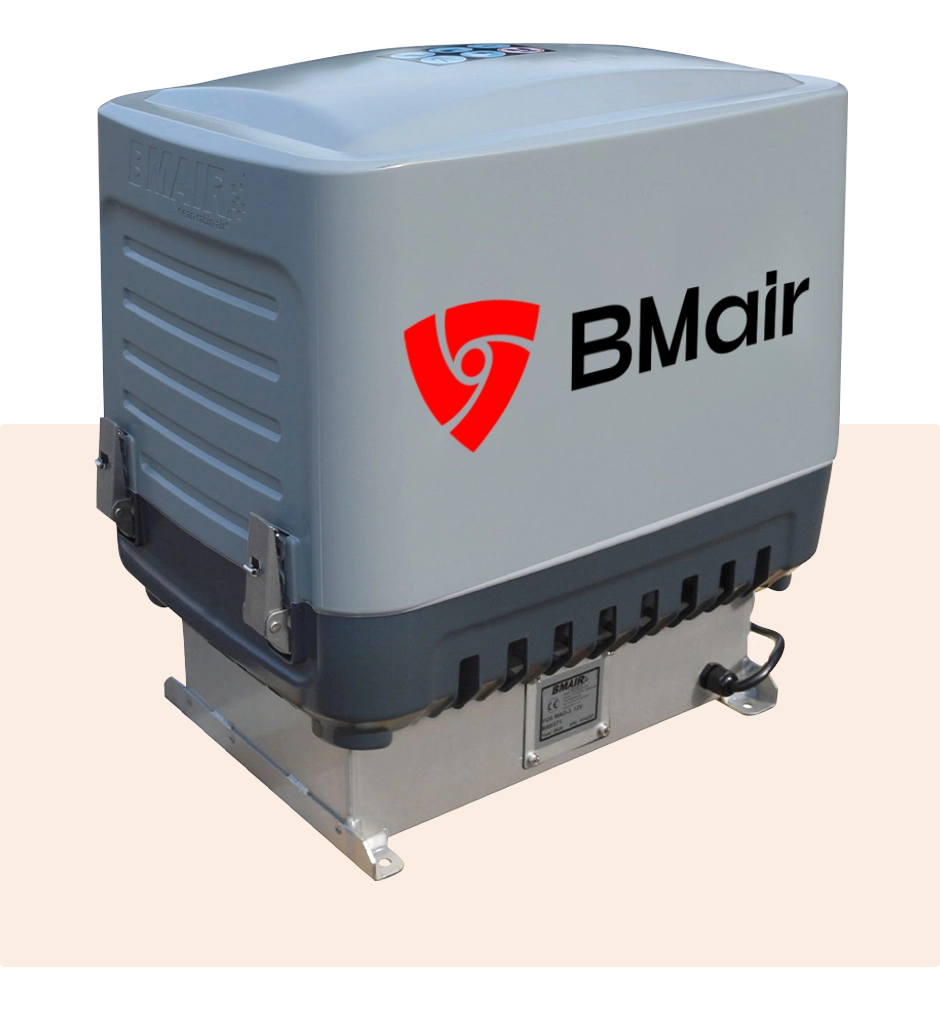
Long-term exposure increases the risk of cardiovascular disease and occupational cancer. In environments where both particles and gases are present, effective protection requires a combination of high-efficiency dust filtration, activated carbon filters and measurable cabin overpressure.