In storage and transport environments involving waste streams, compost, sludge or contaminated soil, organic materials continuously release airborne biological contaminants. These include bacteria, fungi, mould spores and endotoxins that are released during activities such as opening containers, tipping loads, transferring materials or working in enclosed storage areas.
These contaminants are invisible and highly variable. Their concentration fluctuates depending on temperature, humidity and material condition, meaning operators can be exposed continuously without clear warning.
Exposure may lead to irritation of the eyes and respiratory system, allergic reactions, fatigue and, in some cases, infections or long-term respiratory conditions. With repeated exposure, the cumulative health impact can become significant.
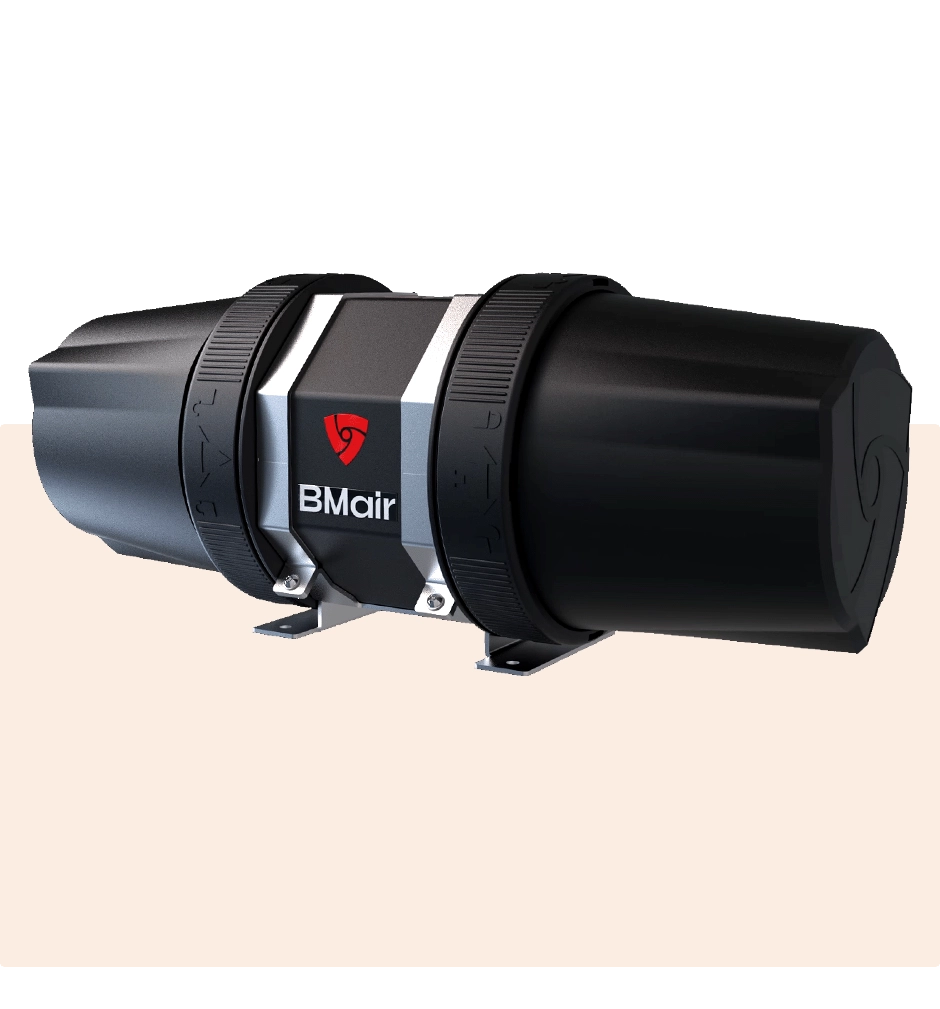
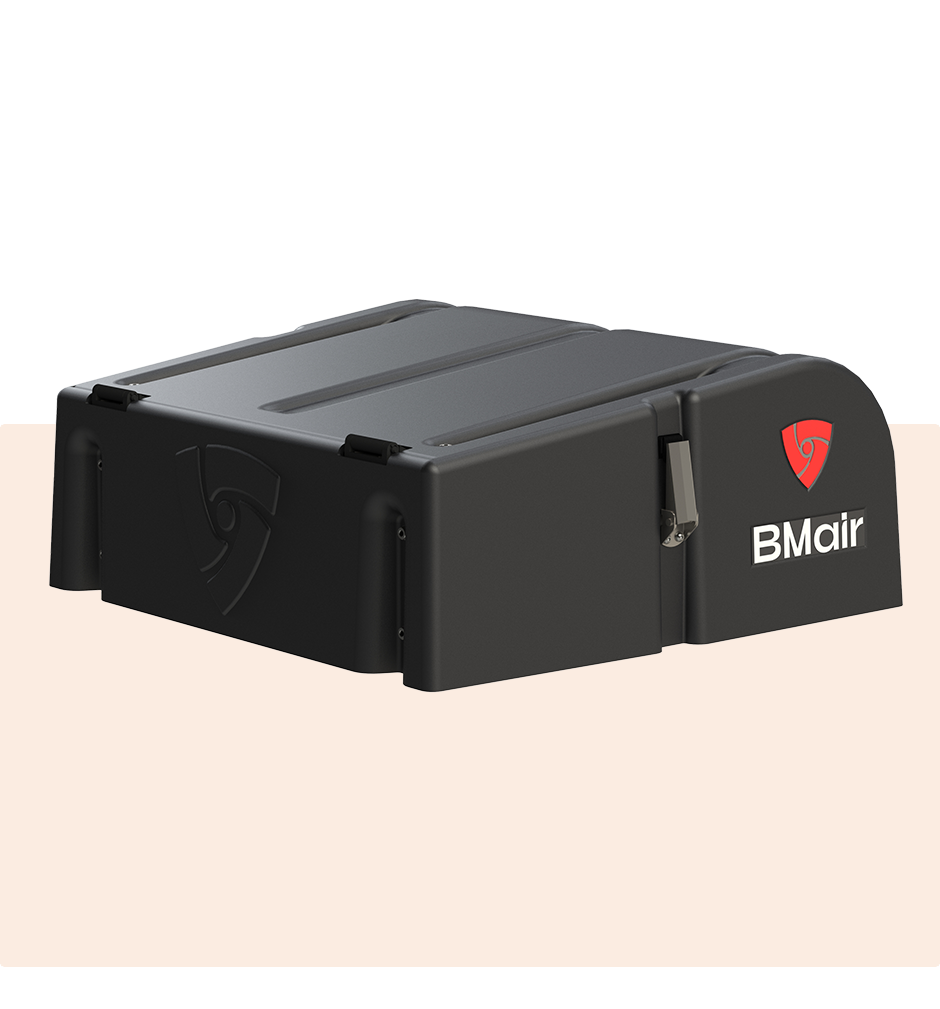
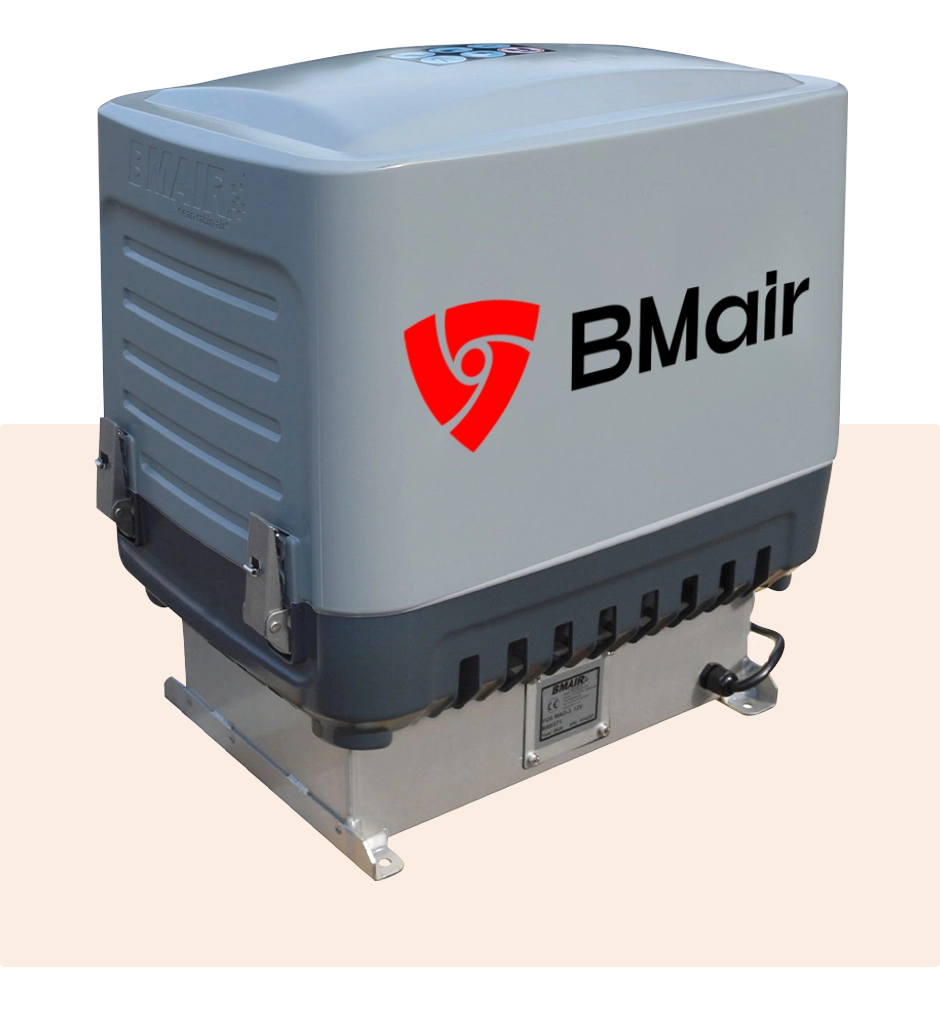
Because these risks cannot be reliably detected or controlled at the source, protection depends on preventing contaminated air from entering the cabin through high-efficiency filtration and stable cabin overpressure.