Protect Machine Operators in Biogas Plants from Toxic Gases and Biological Exposure

Hydrogen sulfide, ammonia and airborne bioaerosols are common in biogas facilities. BMair cabin protection systems combine activated carbon filtration, HEPA H13 filtration and controlled overpressure to support safe and compliant operation.

Find the right BMair system for your biogas application.

Airborne hazards in biogas operations

Hydrogen Sulfide

Highly toxic gas released during biogas fermentation processes.

Hydrogen sulfide (H₂S) is produced during anaerobic digestion of organic substrates. Even at low concentrations, it can cause eye irritation, respiratory distress and headaches. At higher concentrations, H₂S exposure can lead to loss of consciousness and severe health consequences.

In biogas facilities, gas concentrations fluctuate depending on substrate type, agitation, and plant configuration. Because H₂S is heavier than air and may accumulate in certain areas, operators can be exposed during loading, inspection and maintenance activities.

Effective protection requires gas-phase filtration using activated carbon combined with controlled cabin overpressure to prevent uncontrolled gas ingress.

Ammonia

Corrosive gas present in manure and substrate environments.

Ammonia (NH₃) is commonly released during handling of manure, energy crops and digestate in biogas operations. It is highly irritating to the eyes and respiratory system and can cause coughing, airway inflammation and reduced concentration during prolonged exposure.

In enclosed plant areas or during high agitation processes, ammonia concentrations can rise significantly. Continuous low-level exposure may contribute to chronic respiratory irritation and decreased operator comfort.

Mitigation requires application-specific activated carbon filtration combined with measurable cabin overpressure to reduce infiltration into the operator cabin.

Biological Aerosols

Airborne particles released during substrate handling and processing.

Biogas facilities process manure, food waste and agricultural residues that generate airborne biological contaminants. These may include bacterial endotoxins, fungal spores and microbial fragments released during mixing, pumping and transport operations.

Short-term exposure can cause respiratory irritation, fatigue and headaches. Long-term exposure may contribute to chronic inflammatory responses and occupational respiratory disorders.

Because biological particles are invisible and concentrations fluctuate during operations, high-efficiency particulate filtration combined with stable cabin overpressure is required to maintain controlled cabin conditions.

Machine cabins are not sealed environments.


Contaminated air enters through ventilation systems, structural openings and pressure imbalance.

Protection must be active, measurable and application-specific.

How BMair protects biogas operations

Step 1

High-Efficiency Filtration

BMair systems filter incoming air using HEPA H13 particle filtration combined with application-specific activated carbon modules. Fine dust, biological particles and hazardous gases are removed before air reaches the operator.

Step 2

Controlled Cabin Overpressure

Clean air is delivered into the cabin under controlled pressure.
This positive pressure prevents contaminated outside air from entering through leaks, door seals and ventilation gaps.

Step 3

Continuous Monitoring & Compliance

BMair Connect continuously monitors cabin overpressure, filter lifetime and system performance. All data is logged via the BMair Connect Portal, supporting compliance and audit readiness across your fleet.

Impact at every level of your operation

Cabin protection improves operator wellbeing and fleet performance simultaneously.

Operator Impact

Reduced Respiratory Exposure

Minimizes inhalation of hazardous dust, biological agents and toxic vapors.

Stable Cabin Air Quality

Maintains consistent airflow and overpressure during long shifts.

Lower Long-Term Health Risk

Reduces cumulative exposure in high-risk recycling environments.

Cleaner Cabin Interior

Prevents visible dust accumulation and airborne contaminant entry.

Fleet & Business Impact

Audit-Ready Compliance

Continuous logging of cabin overpressure and filter performance supports regulatory inspections.

Reduced Liability Exposure

Reduces risk of occupational health claims and regulatory penalties.

Increased Machine Uptime

Optimized airflow and monitored filters prevent unexpected shutdowns.

Lower HVAC Contamination

Controlled airflow prevents dust accumulation within internal cabin systems.

Which BMair system fits your biogas operation?

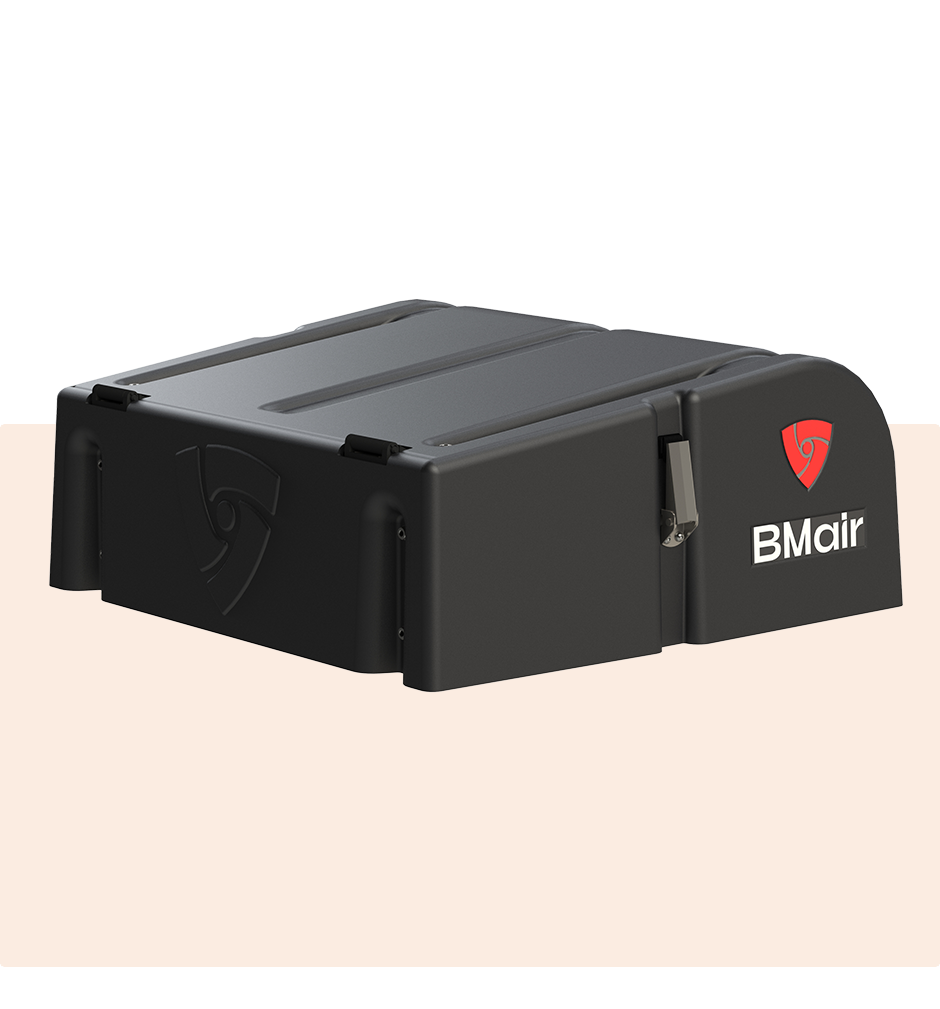
Protector Plus X

Best for: Recycling environments with dust and gas exposure

• Combines HEPA filtration with activated carbon modules
• Designed for continuous operation in gas-heavy plant conditions
• Designed for smaller machines, roof- or back-mounted configurations
• Handles complex contamination profiles

MAO3CabCuard_Systems_BMair

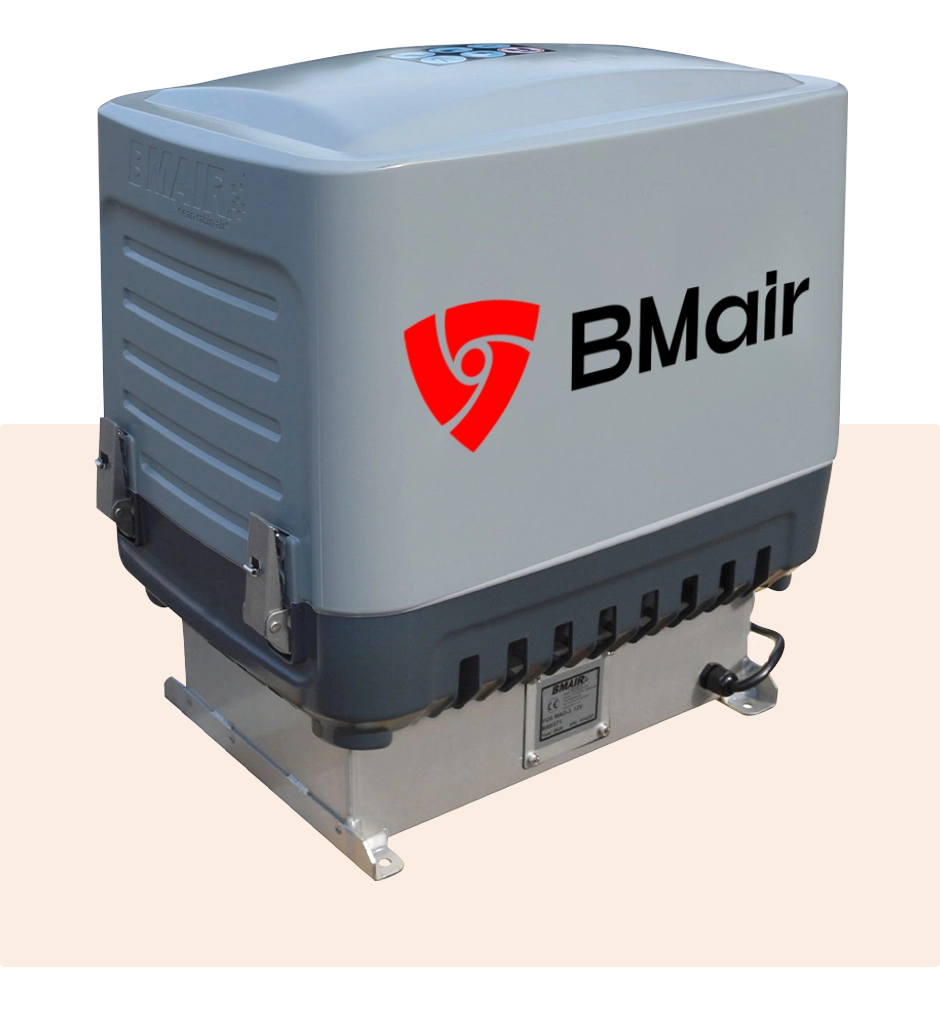
MAO-3C

Best for: Compact machines and variable contamination

• Integrated system combining particle and gas filtration
• Made for large machines
• Compact footprint for fender/deck installation
• Self-cleaning HEPA filter design reduces dust clogging

Designed for Minimal Downtime Across All Systems

Tool-free filter replacement minimizes service time.

Automatic RFID recognition eliminates filter registration errors.

Maintenance alerts via BMair Connect enable proactive planning.

Proven Protection for Fleets Across Europe

Designed for compliance. Built for real-world conditions.

Ready to secure cabin air safety across your fleet?

Our technical team will recommend the right system and filter configuration based on your machine type and environment.

TOP