What Is a Positive Pressure Cab System?

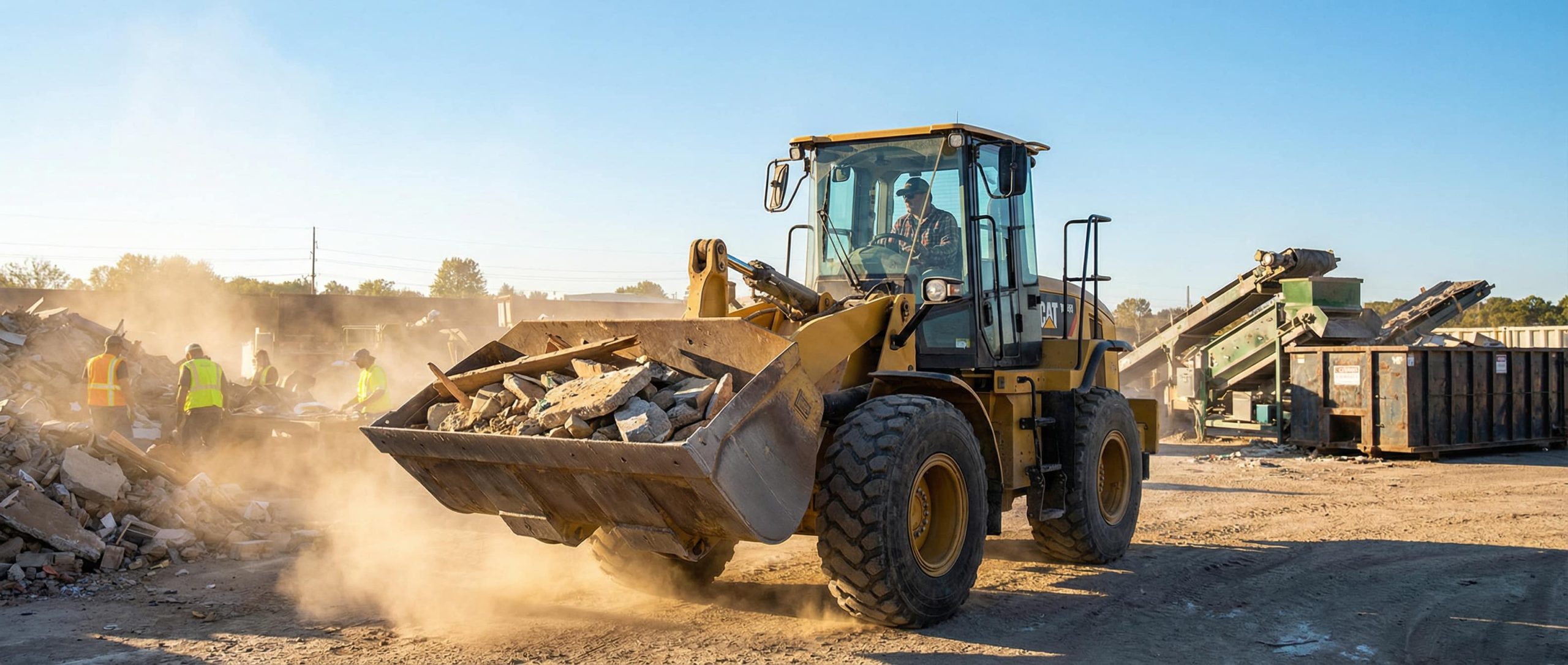
Operators working in industries such as mining, demolition, waste management, recycling, remediation, and composting face a hidden danger every day: contaminated air. Dust particles, smoke, diesel exhaust, particulate matter, gases, and other airborne pollutants can enter a machine cabin and expose operators to serious health risks over time.

A positive pressure cab system is designed to address this challenge by creating a safe, controlled environment inside the cabin. By continuously supplying filtered fresh air and maintaining positive pressure, these systems prevent contaminants from entering the operator's workspace.

In this article, we explain what a positive pressure cab system is, how it works, why it is important, and how modern protective ventilation systems help organisations protect their operators while improving safety and compliance.

What Is a Positive Pressure Cab System?

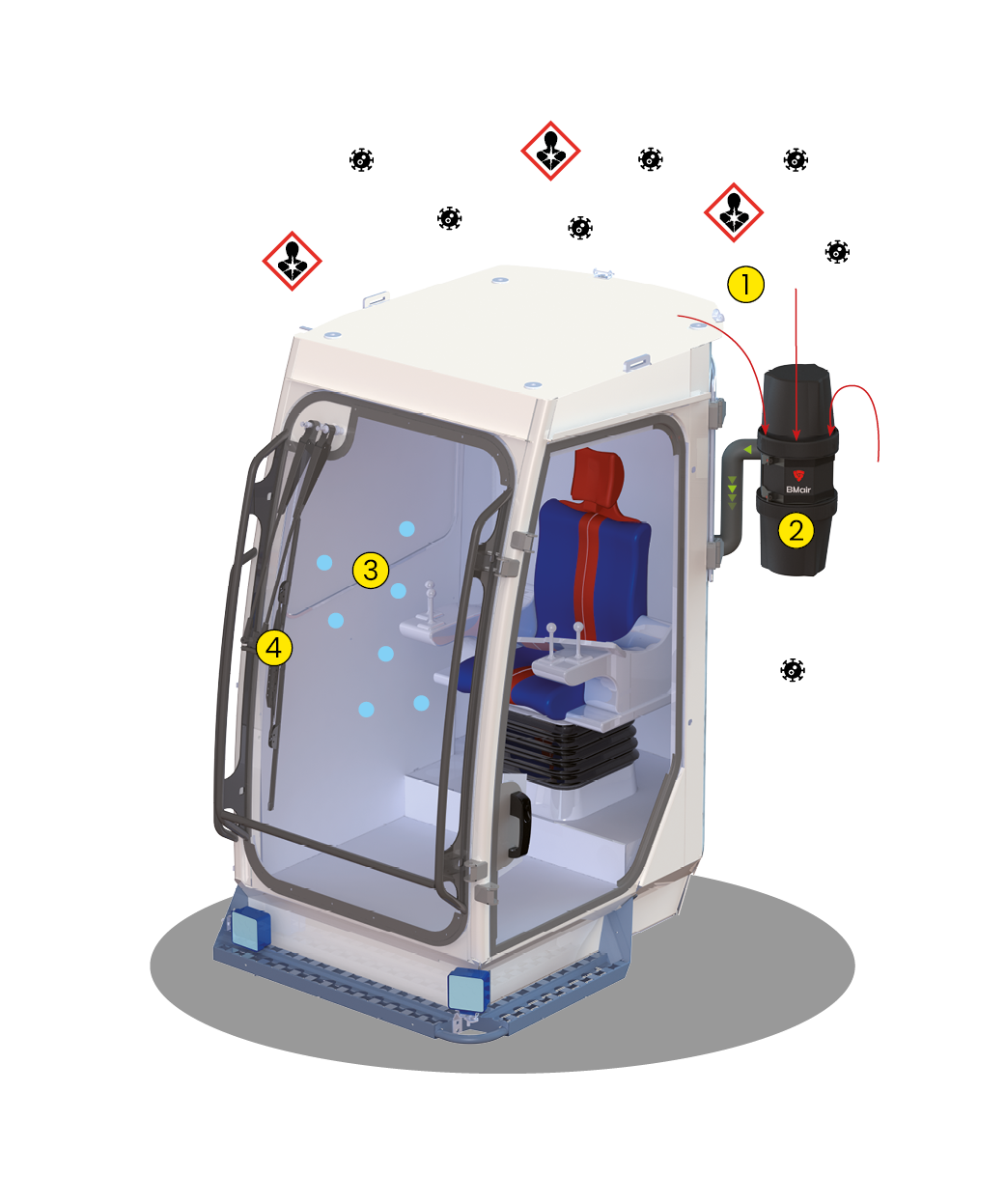
A positive pressure cab system, also known as protective ventilation system is a specialised air filtration and ventilation solution that supplies clean air to an enclosed cabin while maintaining a higher air pressure inside the cabin than in the surrounding environment.

The principle is simple. When the pressure inside the cabin is higher than outside, contaminated air cannot pass through small openings, gaps, seals, or door edges. Instead, air flows outward, preventing dust, smoke, particulate matter, and other contaminants from entering the cabin.

This makes a positive pressure cab system an essential safety measure for operators working in environments where they may be exposed to harmful airborne pollutants.

Why Air Quality Matters

Many industrial environments contain airborne hazards that are often invisible to the naked eye. Operators can be exposed to:

  • Silica dust
  • Asbestos fibres
  • Diesel particulate matter
  • Biological contaminants
  • Smoke and fumes
  • Volatile organic compounds (VOCs)
  • Heavy metal particles
  • Hazardous gases and vapours
Over time, exposure to these pollutants can lead to serious health issues, including respiratory diseases, cardiovascular problems, lung damage, occupational illnesses, and reduced productivity.

Maintaining high air quality inside the cabin is therefore not just a matter of comfort—it is a critical health and safety requirement.

How Does a Positive Pressure Cab System Work?

A modern positive pressure cab system typically consists of several key components working together.

1. Air Intake
The process starts by drawing fresh air from outside the machine. The intake location is carefully selected to minimise exposure to direct contaminants such as exhaust gases, dust clouds, or smoke generated on site.

2. First Stage Filtration
The first stage of filtration removes larger dust particles, dirt, and debris from the incoming air stream. This protects the downstream filters and increases overall system efficiency.

3. HEPA Filtration
The filtered air then passes through high efficiency particulate air (HEPA) filters. HEPA filters are widely recognised as the gold standard for particulate filtration. A certified HEPA filter removes 99.97% of particles measuring 0.3 microns in diameter, including silica dust, asbestos fibres, diesel particulate matter, and other hazardous airborne contaminants. This high efficiency filtration significantly improves air quality inside the cabin and helps protect operators from long-term exposure to harmful dust particles and particulate matter. In many industries, HEPA filtration forms the foundation of a reliable protective ventilation system.

4. Gas and Vapour Filtration
When operators work in environments containing gases, vapours, or chemical pollutants, activated carbon filters are often used in conjunction with HEPA filters. This additional filtration stage helps remove airborne contaminants that particulate filters alone cannot address.

5. Positive Pressure Creation
After filtration, the system uses a fan to deliver clean air into the cabin. The fan is specifically designed to create sufficient airflow and maintain positive pressure under normal operating conditions. In many industries, cabin pressurisation systems are required to maintain a minimum pressure of 100 Pascals (Pa). This positive pressure ensures that contaminated air cannot enter through small gaps, door seals, cable openings, or other leakage points. Instead, clean air continuously flows outward, protecting operators from airborne contaminants.

6. Continuous Monitoring
Modern systems continuously monitor pressure levels, filter condition, and air quality. Advanced technology allows operators and fleet managers to remain confident that the system is functioning correctly and providing ongoing protection.

The Difference Between Standard Cabin Filtration and Positive Pressure Systems

Many machines are equipped with standard cabin filters. However, standard filtration alone does not guarantee protection.

A conventional cabin filter may remove some particles, but if the cabin is not pressurised, contaminated air can still enter through:
  • Door seals
  • Window seals
  • Service openings
  • Cable passages
  • Ventilation leaks
A positive pressure cab system combines filtration with controlled pressure management, creating a significantly higher level of protection.

This is why industries with high exposure risks increasingly require positive pressure systems rather than standard filtration alone.

Compliance and Industry Standards

Across many industries, regulatory requirements regarding operator protection continue to evolve. Employers are increasingly expected to demonstrate that they have taken reasonable steps to reduce operator exposure to airborne contaminants.

Positive pressure cab systems can help organisations meet health and safety obligations while supporting compliance with standards such as ISO 23875 and other occupational safety regulations.

Many standards require cabin pressurisation systems to maintain a minimum pressure level of 100 Pa to ensure adequate protection from external contaminants. Regular testing, maintenance, and monitoring are therefore critical to achieving and maintaining compliance.

Key Factors That Influence System Performance

Not all positive pressure systems deliver the same results. System performance depends on several factors working together. A well-sealed cabin is essential for maintaining positive pressure and preventing contaminants from entering the workspace. Filter selection is equally important, as different environments require different filtration solutions. Depending on the contaminants present, HEPA filters may be combined with activated carbon filters to provide the required level of protection.

Fan capacity also plays a critical role. The fan must be capable of maintaining sufficient airflow and pressure under varying operating circumstances. In addition, regular maintenance is necessary to ensure optimal performance. Filters should be inspected and replaced according to manufacturer recommendations, as poorly maintained systems can lose efficiency and become unable to provide the required level of protection. Finally, modern monitoring technology helps identify potential issues early, allowing operators and fleet managers to address problems before they develop into safety incidents.

Why Positive Pressure Matters for Operator Health

Without effective filtration and pressurisation, operators may be exposed to airborne contaminants every working day.

Even when pollutants are not visible, microscopic particles can enter the respiratory system and accumulate over time. This is particularly relevant for industries where operators regularly encounter silica dust, asbestos, diesel particulate matter, smoke, or hazardous vapours.

By combining HEPA filtration with positive pressure, operators receive continuous protection against contaminants that would otherwise enter the cabin. A properly maintained system delivering at least 100 Pa cabin pressure and utilising HEPA filters capable of removing 99.97% of 0.3-micron particles provides one of the highest levels of protection currently available for enclosed machine cabins.

Protect Workers from Silica Dust Exposure

At BMair, we believe every operator deserves clean air. For more than 25 years, we have specialised in developing advanced protective ventilation systems for heavy equipment operating in contaminated environments. Our positive pressure cab systems combine:
  • High efficiency particulate air (HEPA) filtration
  • Advanced activated carbon filtration
  • Continuous air quality monitoring
  • Positive pressure control
  • Real-time system monitoring
  • Automatic filter recognition technology
Our solutions are specifically designed to protect operators from dust particles, smoke, gases, vapours, and other harmful contaminants found in industries such as mining, demolition, waste management, recycling, remediation, and composting.

Unlike standard cabin filtration systems, BMair solutions actively maintain positive pressure inside the cabin, helping prevent pollutants from entering the operator's workspace. Our systems are designed to maintain the required cabin overpressure and continuously monitor performance to ensure operators remain protected throughout the working day.

Combined with HEPA filtration, BMair helps organisations create safer working environments while supporting compliance with industry standards and occupational health requirements.

The result is improved air quality, enhanced safety, healthier operators, and greater confidence that your team is protected.

Conclusion

A positive pressure cab system is one of the most effective ways to protect operators working in hazardous environments.

By combining fresh air intake, high efficiency filtration, HEPA filters, pressure control, and continuous monitoring, these systems create a safe cabin environment even in heavily contaminated conditions.

As awareness of occupational health risks continues to grow, investing in a reliable protective ventilation system is becoming increasingly important for companies that prioritise safety, compliance, and operator wellbeing.

Whether operators are working in mining, demolition, recycling, remediation, composting, or waste management, a properly maintained cabin pressurisation system can dramatically reduce exposure to airborne contaminants and improve long-term health outcomes.

Protect Your Operators with BMair

Looking for a positive pressure cab system for your fleet? BMair provides industry-leading protective ventilation systems designed to protect operators from airborne contaminants while helping organisations meet modern safety requirements.

Contact our team today to discuss your working environment and discover which BMair solution is best suited to your operation. Together, we can help ensure every operator breathes clean air and works in a safer environment.

Contact with BMair

TOP