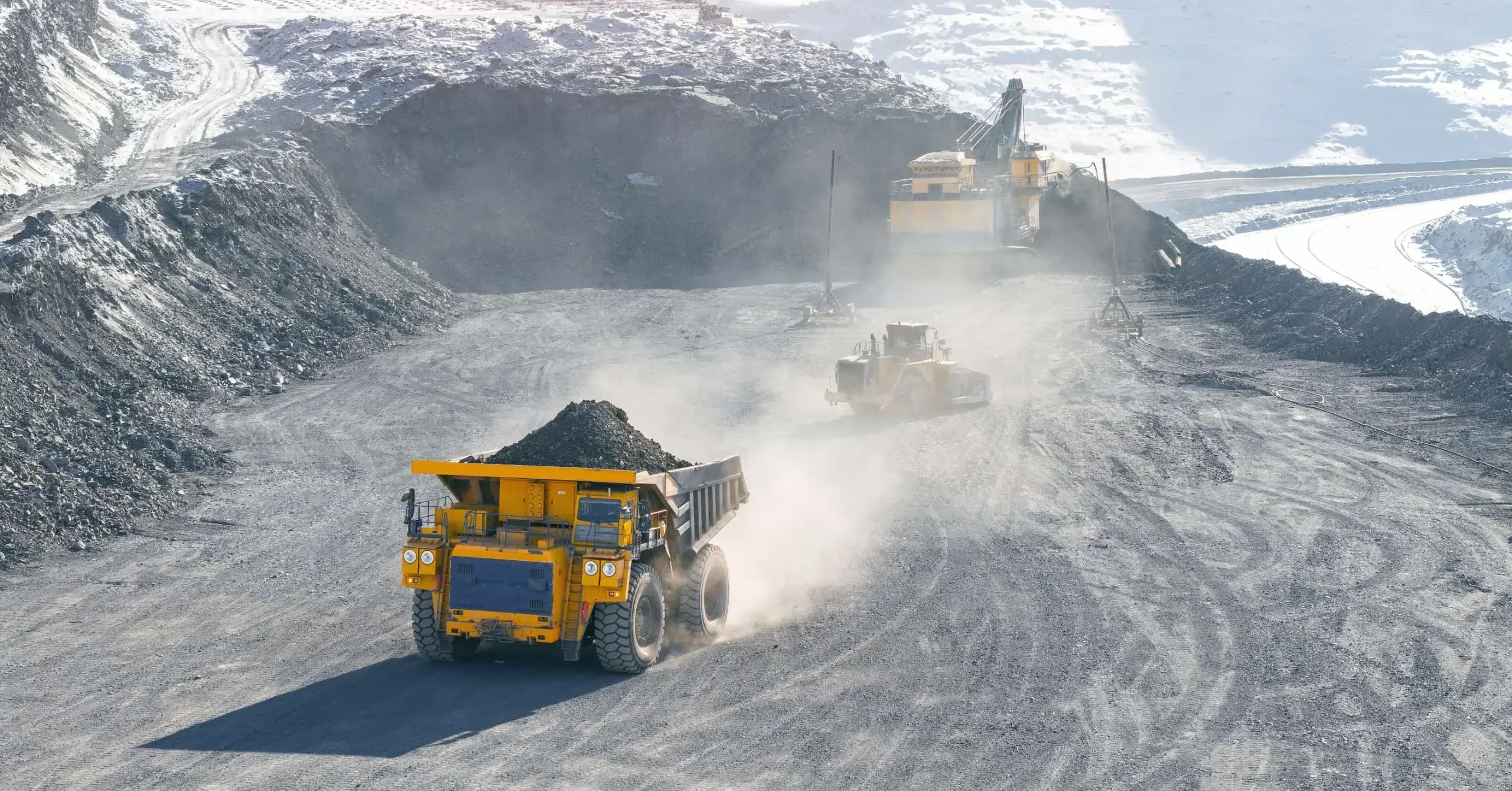
Respirable crystalline silica (RCS) is one of the most serious and underestimated health hazards in the construction, demolition, recycling, mining and materials processing industries. Every day, thousands of workers across the UK are exposed to respirable crystalline silica dust during many common construction tasks, often without realising the long-term health risks.
But what exactly is respirable crystalline silica? Where does it come from? Why is exposure to RCS so dangerous? And, most importantly, how can you control exposure effectively in your workplace?
This guide explains everything you need to know, and what responsible employers must do to protect workers exposed to RCS.
What Is Crystalline Silica?
Crystalline silica is a natural mineral found in the earth’s crust. It is one of the most abundant substances on the planet and occurs in most rocks, sand, clay, stone and concrete.
Silica exists in different forms, including crystalline silica polymorphs such as quartz, cristobalite and tridymite, as well as non crystalline (amorphous) silica. Quartz is by far the most common form and is found in materials widely used in construction, including concrete, bricks, stone, mortar, sand, silica flour and asphalt.
On its own, silica in solid materials is not dangerous. The risk begins when materials containing silica are cut, drilled, crushed or ground, releasing fine dust into the air.
What Is Respirable Crystalline Silica (RCS)?
Respirable crystalline silica, often called RCS, refers to the very small airborne particles of crystalline silica that are small enough to be inhaled deep into the lungs.
When materials containing silica are disturbed during work processes such as cutting concrete with cut off saws, grinding stone or bricks, crushing rocks, foundry work, quarrying, demolition or drilling, they release silica dust into the air. A portion of this dust becomes respirable crystalline silica dust — meaning it is small enough to enter the respirable fraction of the lungs.
Unlike larger inhalable dust particles that are trapped in the nose or throat, respirable dusts travel deep into the lungs, where they can cause permanent lung damage.
Why Is Silica Dangerous?
Exposure to respirable crystalline silica is classified as exposure to substances hazardous to health under UK regulations (COSHH). It is associated with several severe and potentially fatal diseases.
Respirable crystalline silica dust exposure is linked to:
- Silicosis (chronic silicosis, accelerated silicosis and acute silicosis)
- Lung cancer
- Chronic obstructive pulmonary disease (COPD), including chronic bronchitis and emphysema
- Progressive lung disease
- Tuberculosis (higher risk in silica-exposed workers)
- Kidney disease
- Autoimmune disorders
Silicosis is an irreversible lung disease caused by inhaling crystalline silica dust. The fine airborne particles lodge deep in the lungs, leading to inflammation and scarring. Severe cases can result in respiratory failure.
The key issue is that symptoms often appear after years of prolonged exposure. By the time lung damage is detected, it may be irreversible.
Who Is Most at Risk?
Many workers across multiple sectors are exposed to respirable crystalline silica dust, including construction workers, quarry workers, foundry workers, demolition crews, stonemasons, road workers and recycling operators.
Many common construction tasks create RCS dust, such as cutting concrete, drilling into brick, grinding stone, breaking up asphalt and crushing materials. Even short-duration tasks can create significant exposure if not properly controlled.